

Shower Mold: What Causes it and How to Prevent It
Do You Have Mold on Your Shower Tile?
Mold growth in a tile shower is a common problem faced by homeowners. It is not only unsightly, but it can also have negative effects on your health. In this blog, we will discuss the causes of mold growth in a tile shower, the health risks associated with it, and how to prevent and remove mold in your shower.
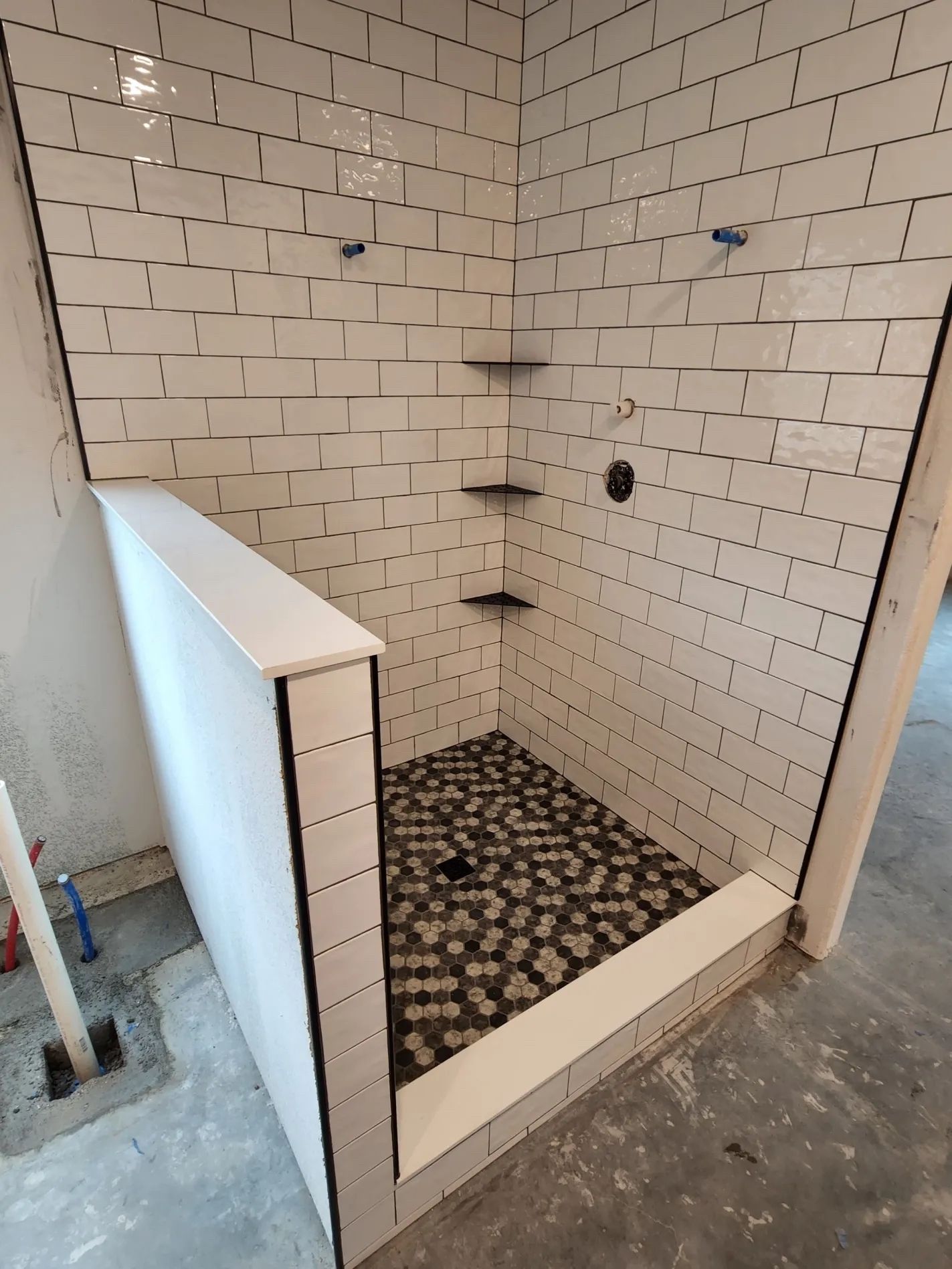
Causes of Mold Growth in a Tile Shower
Mold thrives in moist environments and a tile shower is the perfect place for it to grow. The combination of heat, moisture, and poor ventilation in a shower provides the ideal conditions for mold to flourish. Common causes of mold growth in a tile shower include:
- Poor Ventilation: A lack of ventilation in the shower allows moisture to build up, creating an ideal environment for mold growth.
- Leaks: Leaks in the shower can cause water damage, providing the perfect environment for mold to grow.
- Grout and Caulk: Grout and caulk can trap moisture in the shower, providing a perfect breeding ground for mold.
Health Risks Associated with Mold in the Shower
Exposure to mold can have negative effects on your health, particularly for people with allergies or asthma. Some common health risks associated with mold include:
- Respiratory Problems: Exposure to mold can cause respiratory problems such as sneezing, coughing, and wheezing.
- Allergic Reactions: Mold can cause allergic reactions such as runny nose, itching, and watery eyes.
- Skin Irritation: Mold can cause skin irritation and rashes in some individuals.
Preventing Mold Growth in Your Shower
Preventing mold growth in your tile shower is important for your health and the appearance of your bathroom. Here are some steps you can take to prevent mold growth in your shower:
- Ensure proper ventilation: Installing a ventilation fan in your shower or keeping the bathroom door open after a shower can help to reduce moisture levels and prevent mold growth.
- Fix leaks: Fix any leaks in your shower immediately to prevent water damage and mold growth.
- Use mold-resistant materials: Consider using mold-resistant materials such as grout and caulk when installing or repairing your tile shower.
- Clean regularly: Regular cleaning of your shower can help to prevent mold growth. Use a cleaner specifically designed for mold and mildew to remove any buildup.
Removing Mold in Your Shower
If you already have mold in your shower, it is important to remove it as soon as possible to prevent its spread and protect your health. Here are some steps you can follow to remove mold from your shower:
- Clean the surface: Clean the surface of the moldy area with a mixture of water and vinegar. This will help to kill the mold and remove any surface buildup.
- Scrub the area: Scrub the moldy area with a brush to remove any remaining mold.
- Dry the area: Make sure to thoroughly dry the area after cleaning to prevent mold from returning.
In conclusion, mold growth in a tile shower is a common problem that can have negative effects on your health. By understanding the causes of mold growth and taking steps to prevent it, you can keep your shower clean and safe. If you already have mold in your shower, it is important to remove it promptly to protect your health.
Contact Us
We will get back to you as soon as possible.
Please try again later.